- English
- Español
- Português
- русский
- Français
- 日本語
- Deutsch
- tiếng Việt
- Italiano
- Nederlands
- ภาษาไทย
- Polski
- 한국어
- Svenska
- magyar
- Malay
- বাংলা ভাষার
- Dansk
- Suomi
- हिन्दी
- Pilipino
- Türkçe
- Gaeilge
- العربية
- Indonesia
- Norsk
- تمل
- český
- ελληνικά
- український
- Javanese
- فارسی
- தமிழ்
- తెలుగు
- नेपाली
- Burmese
- български
- ລາວ
- Latine
- Қазақша
- Euskal
- Azərbaycan
- Slovenský jazyk
- Македонски
- Lietuvos
- Eesti Keel
- Română
- Slovenski
- मराठी
- Srpski језик
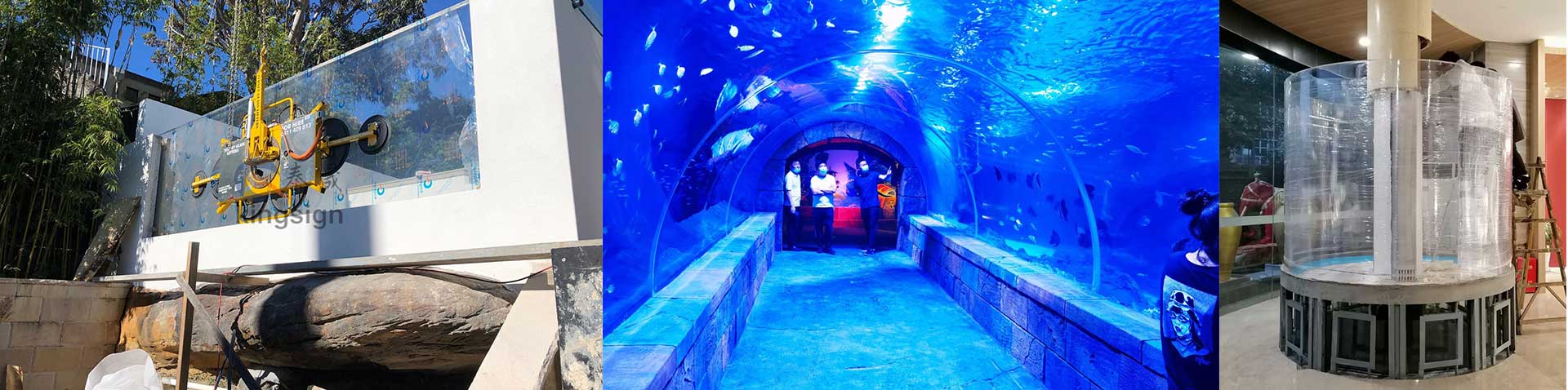
How Can a Public Aquarium Transform Visitor Experience and Business Value?
Abstract
Public aquariums are no longer just entertainment venues—they are immersive environments that combine education, conservation, and commercial value. However, many operators face challenges such as high maintenance costs, visitor retention issues, and outdated display systems. This article explores how a modern public aquarium can overcome these pain points through strategic design, material innovation, and operational efficiency. Drawing on industry practices and solutions offered by KINGSIGN, this guide provides actionable insights for building or upgrading a high-performance aquarium space.
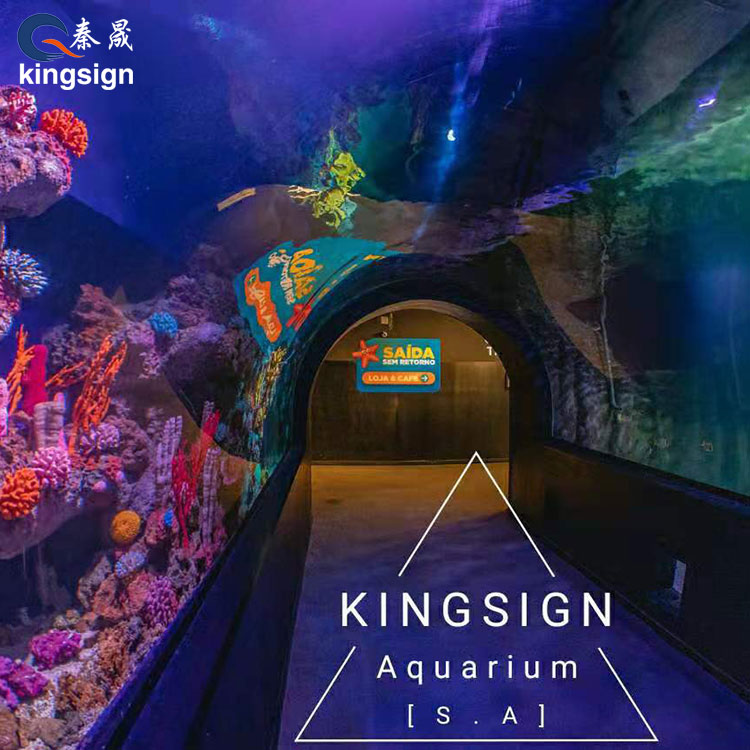
Table of Contents
- Outline Overview
- Common Challenges in Public Aquariums
- Designing a High-Impact Public Aquarium
- Choosing the Right Materials
- Enhancing Visitor Experience
- Improving Operational Efficiency
- Material Comparison Table
- FAQ
- Conclusion
Outline Overview
- Introduction to public aquarium evolution
- Key operational and design challenges
- Innovative design strategies
- Material selection and engineering considerations
- Visitor engagement optimization
- Cost and maintenance efficiency
- Practical FAQs
Common Challenges in Public Aquariums
Operating a public aquarium involves a complex balance of aesthetics, engineering, and biology. Many businesses encounter recurring issues that directly impact profitability and visitor satisfaction.
- High Construction Costs: Large tanks and custom installations require significant upfront investment.
- Maintenance Complexity: Water quality, structural integrity, and cleaning processes demand continuous attention.
- Limited Visitor Engagement: Static displays often fail to retain repeat visitors.
- Material Degradation: Traditional materials like glass may crack, discolor, or become unsafe over time.
These challenges highlight the need for a more advanced and strategic approach to aquarium development.
Designing a High-Impact Public Aquarium
A successful public aquarium begins with thoughtful design. It must balance visual appeal with functional durability.
Key design principles include:
- Immersive Layouts: Use curved tunnels, panoramic panels, and multi-level viewing zones.
- Thematic Zoning: Divide spaces into ecosystems such as coral reefs, deep sea, and freshwater habitats.
- Lighting Integration: LED lighting enhances color vibrancy and simulates natural environments.
- Interactive Elements: Touch pools and digital displays increase engagement.
KINGSIGN specializes in providing customized acrylic solutions that support these advanced design concepts, enabling seamless integration between structure and storytelling.
Choosing the Right Materials
Material selection is one of the most critical decisions in aquarium construction. It directly affects safety, clarity, and longevity.
Why acrylic is becoming the industry standard:
- Higher impact resistance compared to glass
- Superior optical clarity for better viewing
- Flexibility for curved and large-scale installations
- Lightweight structure reduces installation stress
KINGSIGN utilizes high-grade acrylic panels engineered for durability and precision, ensuring long-term performance even in demanding aquatic environments.
Enhancing Visitor Experience
Visitor experience is the core driver of success for any public aquarium. A well-designed space encourages longer stays, repeat visits, and higher revenue.
Strategies to improve engagement:
- Storytelling Design: Create narratives around marine life and ecosystems.
- 360-Degree Viewing: Use tunnels and wrap-around tanks.
- Interactive Technology: Augmented reality and digital guides.
- Educational Programs: Workshops and guided tours.
By integrating these elements, aquariums can transition from passive exhibits to dynamic experiences.
Improving Operational Efficiency
Beyond design and experience, operational efficiency determines long-term sustainability.
- Energy Optimization: Use energy-efficient pumps and lighting systems.
- Modular Construction: Simplifies maintenance and future upgrades.
- Durable Materials: Reduces repair and replacement costs.
- Water Filtration Systems: Automated systems improve consistency and reduce labor.
KINGSIGN supports operators with engineered acrylic systems that minimize maintenance while maximizing durability.
Material Comparison Table
| Feature | Acrylic | Glass |
|---|---|---|
| Clarity | Excellent (high transparency) | Good |
| Impact Resistance | Very High | Low |
| Weight | Lightweight | Heavy |
| Design Flexibility | Highly customizable | Limited |
| Maintenance | Lower long-term cost | Higher risk of damage |
FAQ
Q1: What is the lifespan of an acrylic aquarium panel?
High-quality acrylic panels can last over 20 years with proper maintenance, making them a reliable long-term investment.
Q2: Is acrylic safe for large public aquariums?
Yes. Acrylic is widely used in large-scale installations due to its strength and flexibility.
Q3: How do I reduce maintenance costs?
Investing in durable materials, automated systems, and modular designs can significantly lower ongoing expenses.
Q4: Can aquarium designs be customized?
Absolutely. Companies like KINGSIGN offer fully customized solutions tailored to specific project requirements.
Q5: What factors influence visitor satisfaction?
Visual clarity, interactive features, educational value, and comfort all play a role in enhancing visitor experience.
Conclusion
A modern public aquarium is a sophisticated blend of engineering, design, and storytelling. By addressing common challenges and adopting advanced materials like acrylic, operators can significantly improve both visitor engagement and operational efficiency. With expertise in customized aquarium solutions, KINGSIGN helps businesses create visually stunning and structurally reliable aquatic environments.
If you are planning to build or upgrade a public aquarium, now is the time to explore innovative solutions that deliver long-term value. Contact us today to discover how KINGSIGN can bring your vision to life with precision and excellence.