
- English
- Español
- Português
- русский
- Français
- 日本語
- Deutsch
- tiếng Việt
- Italiano
- Nederlands
- ภาษาไทย
- Polski
- 한국어
- Svenska
- magyar
- Malay
- বাংলা ভাষার
- Dansk
- Suomi
- हिन्दी
- Pilipino
- Türkçe
- Gaeilge
- العربية
- Indonesia
- Norsk
- تمل
- český
- ελληνικά
- український
- Javanese
- فارسی
- தமிழ்
- తెలుగు
- नेपाली
- Burmese
- български
- ລາວ
- Latine
- Қазақша
- Euskal
- Azərbaycan
- Slovenský jazyk
- Македонски
- Lietuvos
- Eesti Keel
- Română
- Slovenski
- मराठी
- Srpski језик
How Do Aquarium Windows Enhance Large-Scale Viewing Experiences?
Article Summary
Aquarium windows are a critical structural and visual component in modern aquariums, underwater restaurants, zoos, and marine research facilities. They must withstand extreme water pressure while delivering crystal-clear visibility and long-term safety. This article explains how aquarium windows are designed, manufactured, and selected, addressing common customer concerns such as strength, optical clarity, lifespan, and maintenance. It also outlines how professional solutions from KINGSIGN support reliable and immersive aquatic viewing environments.
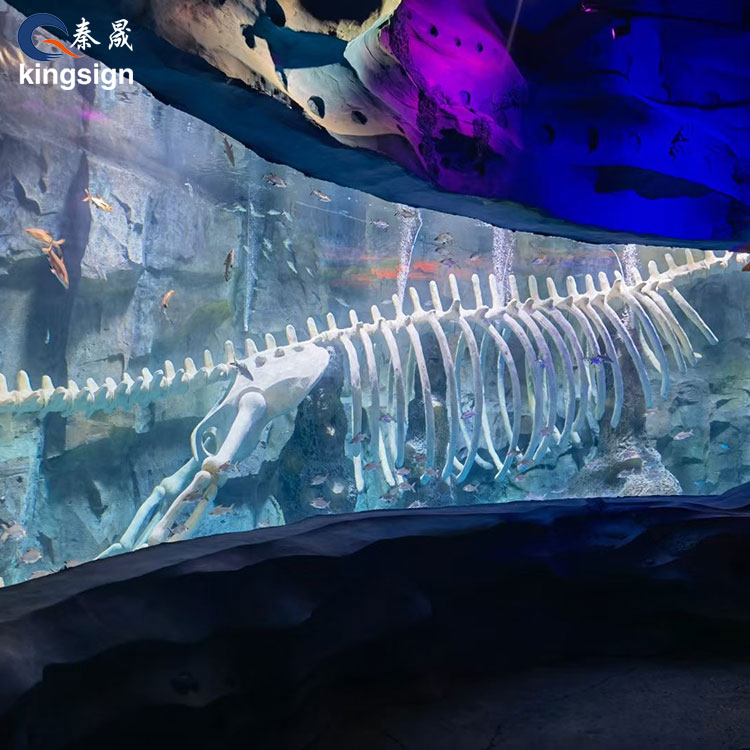
Table of Contents
- Article Outline
- Aquarium Windows Overview
- Key Customer Pain Points
- Materials Used for Aquarium Windows
- Structural Design Considerations
- Glass vs Acrylic Comparison
- Manufacturing and Quality Control
- Application Scenarios
- Maintenance and Service Life
- Frequently Asked Questions
- Conclusion and Contact Us
Article Outline
- Definition and functional role of aquarium windows
- Common technical and operational challenges
- Material selection and performance factors
- Engineering design and safety principles
- Comparison of mainstream materials
- Use cases and long-term value
Aquarium Windows Overview
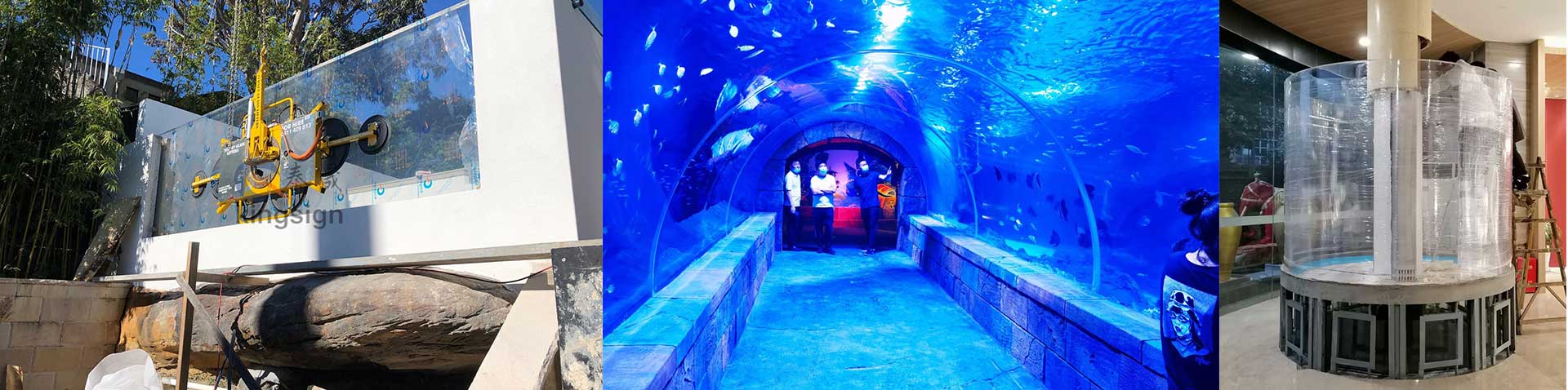
Aquarium windows are transparent structural panels designed to separate aquatic environments from dry public spaces while allowing unobstructed viewing. Unlike ordinary glass panels, aquarium windows must handle continuous hydrostatic pressure, temperature variations, and long-term exposure to saltwater or freshwater environments.
In large-scale installations, aquarium windows often function as load-bearing elements, requiring precise engineering calculations and high-performance materials. KINGSIGN specializes in engineered aquarium window solutions that balance safety, clarity, and durability for demanding projects worldwide.
Key Customer Pain Points
Customers planning aquarium window installations often face complex technical and financial decisions. The most common pain points include:
- Concerns about structural safety under high water pressure
- Optical distortion affecting viewing quality
- Risk of material yellowing or aging over time
- High replacement and maintenance costs
- Difficulty sourcing custom-sized panels
- Uncertainty about compliance with engineering standards
Addressing these challenges requires both material expertise and proven manufacturing capabilities.
Materials Used for Aquarium Windows
Material selection is the foundation of aquarium window performance. The two most commonly used materials are laminated glass and acrylic panels, each offering distinct characteristics.
- Acrylic Panels – Lightweight, high impact resistance, excellent optical clarity
- Laminated Glass – High surface hardness, scratch resistance, traditional appearance
For large viewing panels and deep tanks, acrylic is often preferred due to its superior strength-to-weight ratio and flexibility.
Structural Design Considerations
Aquarium window design is governed by engineering calculations that consider water depth, panel dimensions, safety factors, and installation methods.
- Panel thickness based on water pressure
- Edge support and frame design
- Thermal expansion allowances
- Long-term creep behavior
- Sealing and waterproofing systems
KINGSIGN integrates these factors into each project to ensure long-term structural integrity and operational safety.
Glass vs Acrylic Comparison
| Feature | Acrylic Aquarium Windows | Glass Aquarium Windows |
|---|---|---|
| Impact Resistance | Very High | Moderate |
| Optical Clarity | Excellent | Good |
| Weight | Lightweight | Heavy |
| Maximum Panel Size | Very Large | Limited |
| Maintenance | Polishable | Difficult to repair |
Manufacturing and Quality Control
High-quality aquarium windows require advanced manufacturing processes, including precision casting, CNC machining, and controlled polishing. Quality control measures are applied throughout production to verify material consistency and optical performance.
KINGSIGN follows strict inspection procedures, including stress testing, dimensional verification, and surface quality evaluation, ensuring each aquarium window meets project-specific requirements.
Application Scenarios
Aquarium windows are widely used across commercial, educational, and entertainment environments.
- Public aquariums and marine parks
- Underwater tunnels and walkways
- Luxury hotels and underwater restaurants
- Research and breeding facilities
- Private high-end aquarium installations
Maintenance and Service Life
Proper maintenance significantly extends the service life of aquarium windows. Routine cleaning, controlled water chemistry, and surface inspection help preserve clarity and structural reliability.
Acrylic aquarium windows can be polished to restore surface quality, making them a cost-effective solution for long-term use.
Frequently Asked Questions
How thick should aquarium windows be?
Thickness depends on water depth, panel size, and safety factors determined by engineering calculations.
Are acrylic aquarium windows safe for large tanks?
Yes. Acrylic is widely used in large and deep aquarium installations due to its high strength and impact resistance.
Do aquarium windows discolor over time?
High-quality materials with proper UV stabilization maintain clarity for decades under normal conditions.
Can aquarium windows be customized?
Yes. Custom dimensions, shapes, and thicknesses are commonly produced for specific projects.
Conclusion and Contact Us
Aquarium windows are more than transparent panels; they are engineered components that define safety, viewing quality, and visitor experience. Understanding materials, design principles, and manufacturing standards helps project owners make informed decisions and avoid costly risks.
KINGSIGN delivers professional aquarium window solutions tailored to complex and large-scale applications. If you are planning an aquarium project or upgrading an existing installation, contact us today to explore how KINGSIGN can provide reliable, high-performance aquarium windows that meet your technical and visual expectations.