- English
- Español
- Português
- русский
- Français
- 日本語
- Deutsch
- tiếng Việt
- Italiano
- Nederlands
- ภาษาไทย
- Polski
- 한국어
- Svenska
- magyar
- Malay
- বাংলা ভাষার
- Dansk
- Suomi
- हिन्दी
- Pilipino
- Türkçe
- Gaeilge
- العربية
- Indonesia
- Norsk
- تمل
- český
- ελληνικά
- український
- Javanese
- فارسی
- தமிழ்
- తెలుగు
- नेपाली
- Burmese
- български
- ລາວ
- Latine
- Қазақша
- Euskal
- Azərbaycan
- Slovenský jazyk
- Македонски
- Lietuvos
- Eesti Keel
- Română
- Slovenski
- मराठी
- Srpski језик
Acrylic Sheet vs Glass: Which Material Is Better for Aquariums and Pool Windows?
Transparent panels are an important part of aquarium and swimming pool design. Acrylic sheet and glass are two commonly used materials, but their properties are different. Weight, impact resistance, optical clarity, fabrication methods, panel size, and installation conditions all need to be considered before selecting a material.
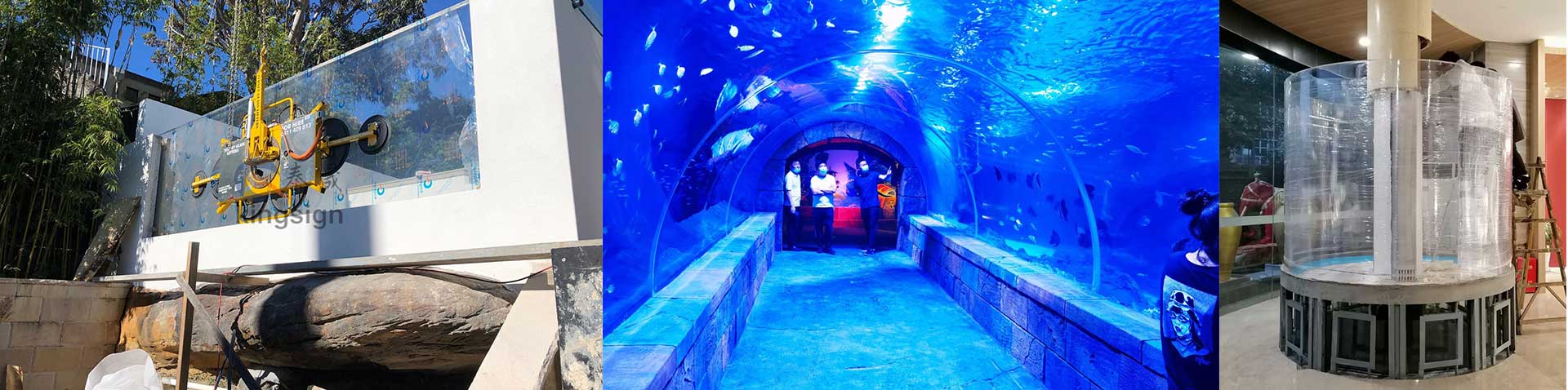
For small or conventional viewing panels, glass can be a practical option. For larger aquariums, underwater viewing windows, aquarium tunnels, and curved structures, acrylic is often considered because it combines relatively low weight with good impact resistance and greater fabrication flexibility.
Acrylic Sheet vs Glass: Main Differences
Acrylic, or polymethyl methacrylate (PMMA), is a transparent thermoplastic. Glass is an inorganic material that has been used for architectural and viewing applications for many years. Both materials can provide clear viewing surfaces, but they behave differently during transportation, fabrication, installation, and use.
| Factor | Acrylic Sheet | Glass |
|---|---|---|
| Weight | Lighter than glass at comparable thickness | Heavier, particularly as panel size and thickness increase |
| Impact resistance | High impact resistance compared with conventional glass | Resistance varies by glass type, with some types more susceptible to cracking or breakage |
| Fabrication | Can be cut, machined, polished, bonded, and formed | Requires dedicated cutting, edge processing, and forming methods |
| Shape | Suitable for flat, curved, formed, and customized panels | Generally more suited to flat-panel applications, depending on the glass type and processing method |
| Large panels | Suitable for large customized viewing panels when properly engineered | Large panels require careful consideration of weight, handling, support, and structural requirements |
| Optical performance | High transparency with proper fabrication and surface finishing | High transparency and established use in architectural glazing |
These differences become more important as panel dimensions increase. A material that works well for a small viewing window may require a different approach when the project involves a large underwater panel or a curved transparent structure.
Acrylic for Large Aquariums and Aquarium Tunnels
Large aquariums place specific requirements on transparent viewing panels. Water depth, panel dimensions, support conditions, and structural design all affect the required material and thickness. The panel must also provide a clear viewing surface for visitors while remaining suitable for the operating conditions of the aquarium.
Acrylic is commonly considered for large aquarium windows because it is relatively lightweight compared with glass and can be fabricated into large or customized shapes. Depending on the design, acrylic can be machined, polished, bonded, and formed into curved panels, cylindrical structures, and other configurations.
Aquarium tunnels are a typical example. Instead of using only a flat viewing window, a tunnel may incorporate curved side panels, overhead sections, or other customized transparent structures. In these applications, the choice of acrylic grade, panel thickness, joint design, support structure, and fabrication method should be considered together.
Surface finishing is also important. Proper machining and polishing can help maintain the clarity of the viewing surface, while suitable fabrication and bonding methods are required when several acrylic components are assembled into a larger structure.
Acrylic for Swimming Pool Windows
Acrylic is also used for underwater swimming pool windows and transparent pool walls. These applications can be found in private pools, hotels, resorts, aquatic facilities, and architectural water features.
One reason acrylic is considered for these projects is its suitability for large or specially shaped transparent panels. Compared with a conventional glass panel of similar dimensions, an acrylic panel can be easier to handle because of its lower weight. Acrylic can also be fabricated into curved forms when the pool design requires a non-flat viewing surface.
However, material selection should not be based on transparency or appearance alone. Water depth, panel dimensions, support conditions, installation details, surrounding structure, and expected operating conditions should all be included in the design assessment.
What Should Be Considered When Choosing Between Acrylic and Glass?
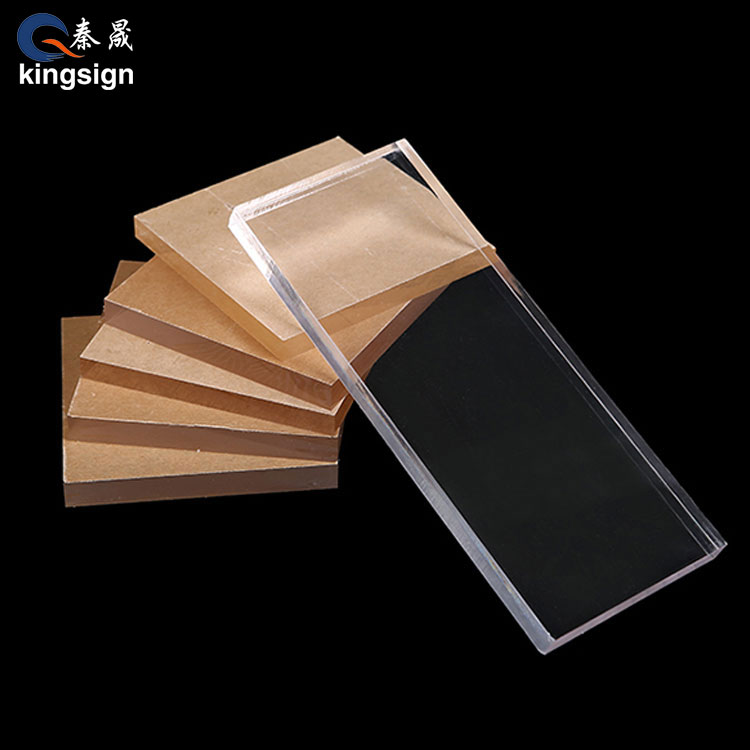
The appropriate material depends largely on the requirements of the project. For conventional flat viewing panels with moderate dimensions, glass may meet the design requirements. For projects involving large dimensions, curved shapes, customized structures, or specific handling constraints, acrylic may offer greater flexibility.
Before specifying an acrylic sheet for an aquarium or pool window, several technical details should be confirmed:
- Panel length, width, and required shape
- Water depth and operating conditions
- Required panel thickness
- Support and installation method
- Flat or curved panel configuration
- Required viewing area and optical clarity
- Machining, polishing, bonding, or forming requirements
- Transportation and on-site handling conditions
For a custom project, technical drawings, panel dimensions, water depth, installation conditions, and application details are useful when discussing material selection and fabrication requirements with an acrylic manufacturer.
Ultimately, acrylic sheet and glass are both established materials for transparent architectural and aquatic applications. The choice should be based on the actual project conditions rather than a general preference for one material. For large aquariums, aquarium tunnels, pool windows, and other customized structures, the material, thickness, fabrication method, and supporting structure should be evaluated as one complete system.