
- English
- Español
- Português
- русский
- Français
- 日本語
- Deutsch
- tiếng Việt
- Italiano
- Nederlands
- ภาษาไทย
- Polski
- 한국어
- Svenska
- magyar
- Malay
- বাংলা ভাষার
- Dansk
- Suomi
- हिन्दी
- Pilipino
- Türkçe
- Gaeilge
- العربية
- Indonesia
- Norsk
- تمل
- český
- ελληνικά
- український
- Javanese
- فارسی
- தமிழ்
- తెలుగు
- नेपाली
- Burmese
- български
- ລາວ
- Latine
- Қазақша
- Euskal
- Azərbaycan
- Slovenský jazyk
- Македонски
- Lietuvos
- Eesti Keel
- Română
- Slovenski
- मराठी
- Srpski језик
How Pool Windows Transform Swimming Pool Design and Safety?
Article Abstract
Pool windows have become a defining feature in modern pool architecture, enabling clear underwater views while enhancing safety, durability, and visual appeal. This article provides a comprehensive overview of how pool windows work, the materials involved, common customer concerns, and key considerations for selecting the right solution. It is designed to help buyers, designers, and project owners make informed decisions when planning residential or commercial swimming pool projects.
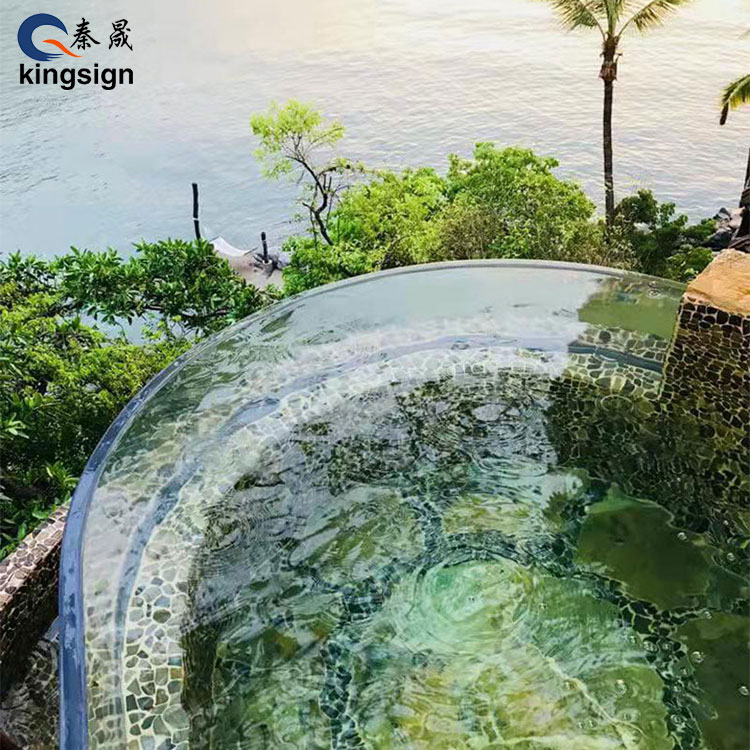
Table of Contents
- Article Outline
- What Are Pool Windows?
- Common Customer Pain Points
- Materials and Structural Principles
- Design Scenarios and Applications
- How to Choose the Right Pool Windows
- Key Parameters Comparison
- Installation and Maintenance Considerations
- Frequently Asked Questions
- Conclusion and Next Steps
Article Outline
- Definition and core function of pool windows
- Typical challenges faced by buyers and designers
- Material selection and structural performance
- Use cases in residential and commercial pools
- Selection criteria and technical parameters
- Maintenance, durability, and lifecycle value
What Are Pool Windows?
Pool windows are transparent panels installed into the walls of swimming pools, allowing clear visual access to the underwater environment. Unlike decorative glass elements, these components are engineered to withstand continuous water pressure, temperature variation, and chemical exposure. Their role extends beyond aesthetics, contributing to safety monitoring, architectural openness, and enhanced user experience.
In residential settings, pool windows create a seamless connection between indoor and outdoor spaces. In commercial projects such as hotels, resorts, and aquatic centers, they are often used to attract attention, improve supervision, and elevate brand perception.
Common Customer Pain Points
- Structural safety concerns: Fear of cracking, leakage, or long-term deformation under water pressure.
- Material transparency: Worries about yellowing, distortion, or reduced clarity over time.
- Installation complexity: Uncertainty around compatibility with concrete structures and sealing reliability.
- Maintenance costs: Questions about cleaning difficulty and surface durability.
Materials and Structural Principles
Most modern pool windows are manufactured using high-performance acrylic panels rather than traditional glass. Acrylic offers superior impact resistance, excellent optical clarity, and predictable structural behavior under hydrostatic pressure.
The thickness of a pool window is calculated based on water depth, panel size, and safety margins. Proper edge support and bonding systems are essential to ensure long-term performance. Precision fabrication and quality control directly affect stress distribution and service life.
Design Scenarios and Applications
- Private villas with indoor-outdoor pool connections
- Luxury hotels and resort swimming pools
- Aquatic centers and training facilities
- Basement or elevated pools with viewing areas
In each scenario, pool windows serve both functional and emotional purposes, allowing light penetration, visual expansion of space, and a distinctive architectural statement.
How to Choose the Right Pool Windows
Selecting pool windows requires a balance between design ambition and engineering practicality. Key factors include panel dimensions, water depth, expected load conditions, and long-term usage patterns. Custom fabrication is often recommended for non-standard shapes or large spans.
Equally important is supplier capability. Experience in structural acrylic processing, quality assurance, and project support can significantly reduce risk during installation and operation.
Key Parameters Comparison
| Parameter | Acrylic Pool Windows | Traditional Glass |
|---|---|---|
| Impact Resistance | High | Low |
| Optical Clarity | Excellent | Good |
| Weight | Lightweight | Heavy |
| Customization | Flexible | Limited |
| Long-Term Stability | Predictable | Variable |
Installation and Maintenance Considerations
Professional installation is critical for pool windows. Accurate recess preparation, proper sealing systems, and controlled curing processes ensure water-tightness and stress control. During operation, routine cleaning with non-abrasive materials helps maintain transparency and surface quality.
When correctly designed and maintained, pool windows provide long-term value with minimal intervention.
Frequently Asked Questions
Q1: Are pool windows safe for deep pools?
Yes. When engineered correctly with appropriate thickness and support, pool windows are designed to safely withstand significant water pressure.
Q2: Will pool windows become cloudy over time?
High-quality acrylic panels maintain clarity for many years when manufactured and maintained according to professional standards.
Q3: Can pool windows be customized for size and shape?
Yes. Custom dimensions, curves, and edge treatments are commonly available to meet architectural requirements.
Conclusion and Next Steps
Pool windows are no longer a niche feature but a practical and visually compelling solution for modern pool projects. By addressing safety, durability, and design flexibility, they help transform swimming pools into immersive environments that deliver lasting value.
For projects seeking reliable performance and professional support, Kingsign offers engineered pool window solutions tailored to diverse applications. To explore specifications, customization options, and project guidance, contact us today and connect with Kingsign for expert assistance.