Article Summary
Pool windows are engineered transparent acrylic or glass panels integrated into swimming pool structures, enabling underwater visibility, luxury aesthetics, and architectural differentiation.
This article explains key design principles, material selection, installation considerations, structural safety requirements, and long-term maintenance strategies.
It also addresses common buyer concerns such as leakage risk, pressure resistance, clarity degradation, and cost efficiency.
Solutions and industry practices from manufacturers such as Kingsign Acrylic are referenced to illustrate real-world application scenarios.
1. What Are Pool Windows?
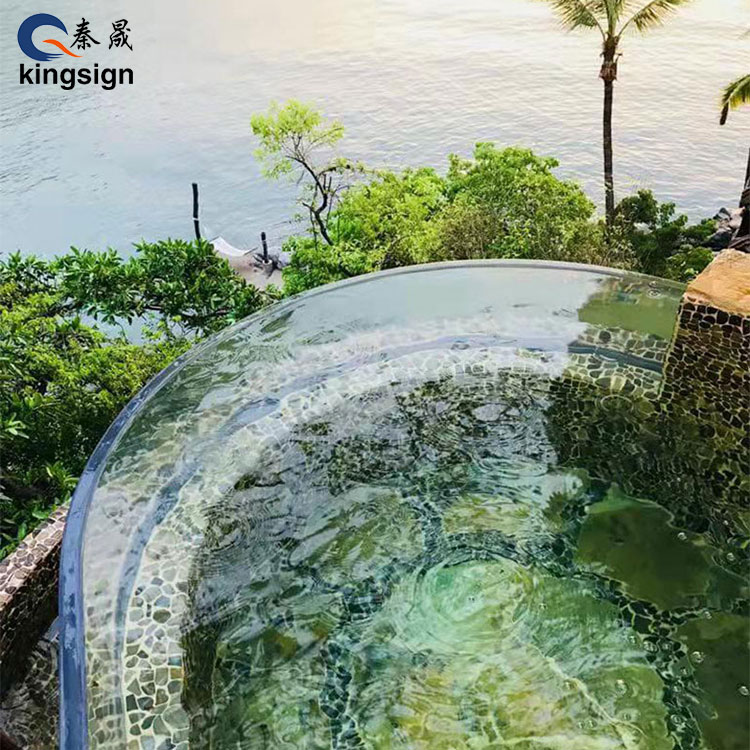
Pool windows are transparent structural panels installed within swimming pools or aquatic environments to create underwater visibility from adjacent spaces.
They are widely used in luxury residential pools, hotels, aquatic centers, and commercial entertainment facilities.
Unlike standard architectural glass, pool windows must withstand continuous hydrostatic pressure, chemical exposure from chlorinated water, and long-term UV radiation.
Modern pool window systems are typically fabricated from high-grade acrylic or laminated safety glass, engineered into load-bearing frames or direct structural openings within concrete pool walls.
2. Materials Used in Pool Windows
Material selection is the most critical factor determining performance, clarity, and durability. The two primary materials are acrylic and tempered/laminated glass.
-
Cast Acrylic Panels: High impact resistance, lightweight, excellent optical clarity, and superior flexibility under pressure.
-
Laminated Glass: High scratch resistance, rigid structure, but heavier and more complex to install.
-
Hybrid Systems: Multi-layer composites designed for specialized engineering requirements.
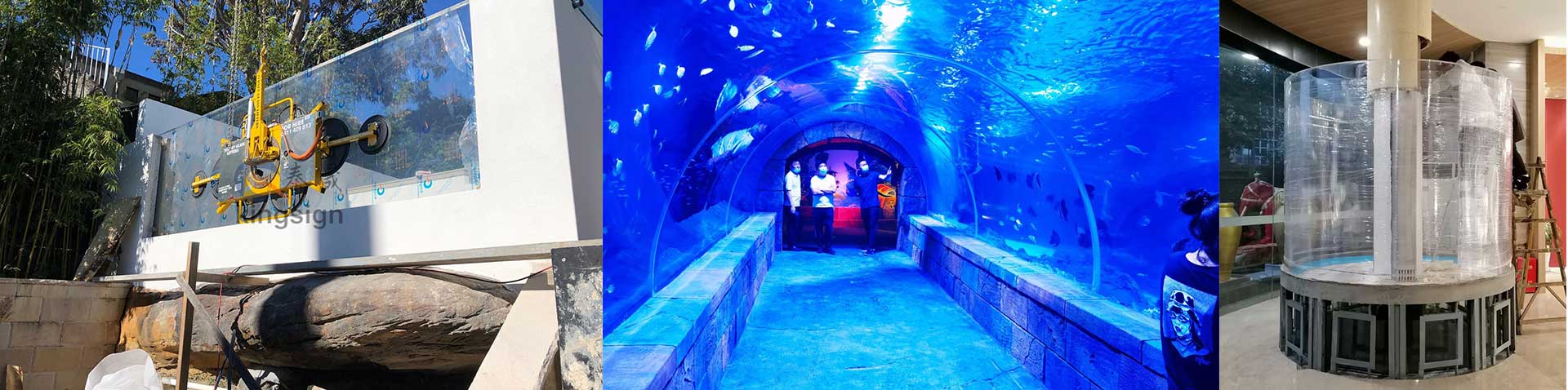
Companies such as Kingsign Acrylic specialize in manufacturing precision-cast acrylic panels that are widely used in underwater viewing applications due to their stability and optical performance.
3. Structural Design Considerations
Designing a pool window requires precise engineering to ensure safety under continuous water pressure. The deeper the installation, the greater the structural load on the panel.
Key engineering factors include:
-
Hydrostatic pressure calculation based on water depth
-
Panel thickness optimization
-
Edge sealing systems and waterproof bonding
-
Load distribution across supporting frames
-
Thermal expansion tolerance
Poor design can lead to stress cracking, leakage, or optical distortion. Professional fabrication ensures load-bearing performance and long-term stability.
4. Installation Process and Key Challenges
Pool window installation is a multi-stage engineering process requiring coordination between structural engineers, waterproofing specialists, and material suppliers.
Typical installation workflow includes:
-
Structural opening preparation in reinforced concrete
-
Frame alignment and anchoring system installation
-
Panel positioning and load balancing
-
Sealant application and waterproof curing
-
Pressure testing and leak inspection
One of the most common challenges is achieving a perfect seal interface between acrylic or glass and the pool wall. Even minor misalignment can cause long-term leakage risks.
5. Maintenance and Long-Term Care
Proper maintenance ensures clarity, structural safety, and extended service life of pool windows.
-
Regular cleaning with non-abrasive, pH-neutral solutions
-
Inspection of sealants for micro-cracks or aging
-
Avoiding sharp impact or concentrated mechanical stress
-
Monitoring water chemistry to reduce material degradation
Acrylic-based systems require special care to avoid surface scratching, while glass systems demand monitoring for edge stress and laminate integrity.
6. Acrylic vs Glass Pool Windows
|
Feature
|
Acrylic
|
Laminated Glass
|
|
Weight
|
Lightweight
|
Heavy
|
|
Impact Resistance
|
High flexibility and durability
|
Rigid but prone to edge stress
|
|
Optical Clarity
|
Excellent transparency
|
Very high clarity
|
|
Installation Complexity
|
Easier handling
|
More complex structural support needed
|
|
Maintenance
|
Requires scratch care
|
Lower surface maintenance
|
Acrylic solutions provided by Kingsign Acrylic are widely chosen for large-scale underwater viewing installations due to their adaptability and fabrication flexibility.
7. Application Scenarios
Pool windows are used across multiple architectural and commercial environments:
-
Luxury residential swimming pools
-
Hotel infinity pools and rooftop pools
-
Aquariums and underwater observation tunnels
-
Resort entertainment water features
-
Sports and aquatic training centers
In modern architecture, pool windows are not only functional elements but also visual focal points that enhance spatial experience and property value.
8. FAQ
Q1: Are pool windows safe under high water pressure?
Yes, when properly engineered with correct thickness and sealing systems, pool windows are designed to withstand significant hydrostatic pressure.
Q2: Do acrylic pool windows turn yellow over time?
High-quality cast acrylic with UV protection maintains clarity for many years, especially when properly maintained and protected from harsh chemicals.
Q3: Can pool windows be customized in shape and size?
Yes, both acrylic and glass systems can be custom fabricated into curved, rectangular, or complex architectural shapes depending on project requirements.
9. Contact Information
For professional-grade pool window solutions, engineering consultation, and custom fabrication services, Kingsign Acrylic provides tailored manufacturing support for residential, commercial, and large-scale aquatic projects.
For project inquiries, technical specifications, or quotation requests, please contact us to explore customized pool window solutions designed for durability, clarity, and structural reliability.
contact us at Kingsign Acrylic to start your project today.