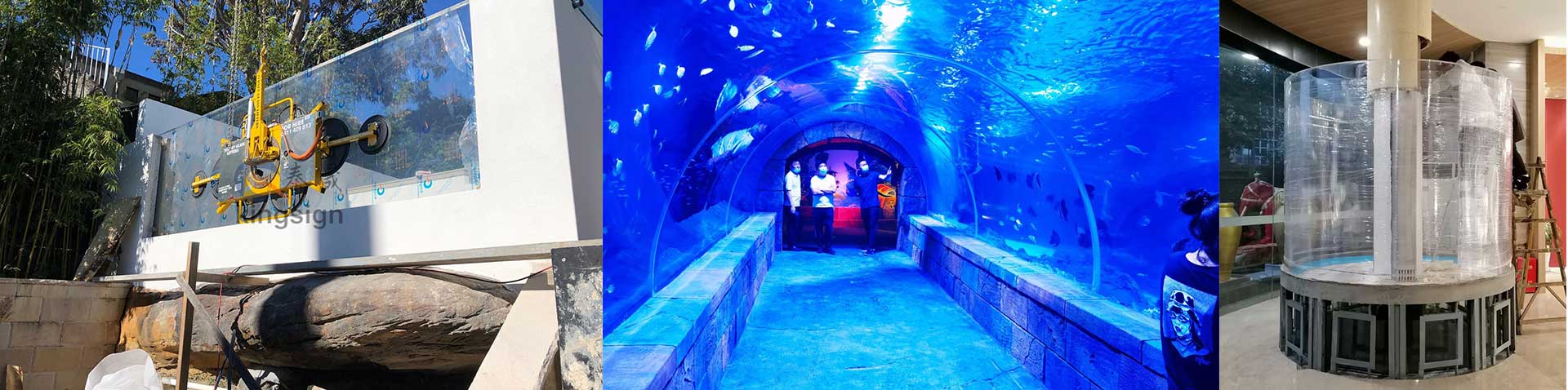
Underwater windows are redefining luxury hospitality, marine engineering, swimming pool design, and aquarium construction. From private villas and yacht projects to large-scale underwater restaurants and observation areas, these acrylic viewing panels create immersive experiences while maintaining structural reliability and long-term transparency. This article explains how underwater windows work, what materials are used, common customer concerns, installation considerations, and how Kingsign delivers durable custom underwater window solutions for demanding projects worldwide.
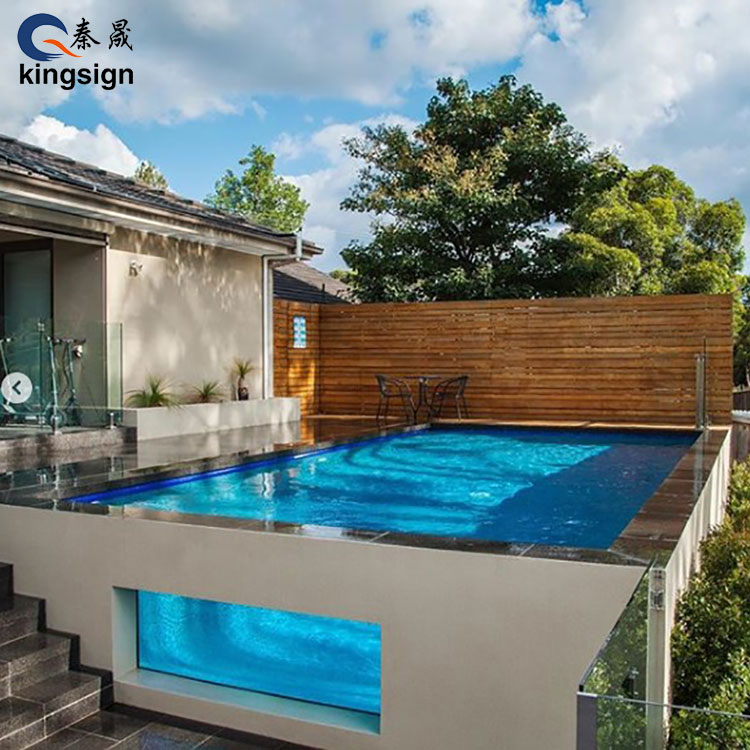
1. What Are Underwater Windows?
Underwater windows are transparent structural panels specifically engineered to withstand continuous hydrostatic pressure while providing crystal-clear underwater visibility. These windows are commonly installed in swimming pools, aquariums, underwater hotels, marine laboratories, luxury residences, and commercial entertainment venues.
Unlike ordinary glass panels, underwater windows must handle high water pressure, temperature variations, UV exposure, and long-term environmental stress. For this reason, advanced acrylic materials are widely used because of their excellent strength, optical clarity, and fabrication flexibility.
Modern underwater windows can be manufactured in multiple shapes including:
-
Flat viewing panels
-
Curved acrylic windows
-
Cylindrical tunnel systems
-
Large panoramic underwater walls
-
Custom geometric designs
These systems are carefully engineered based on water depth, panel dimensions, structural support, and environmental conditions.
2. Why Acrylic Is Preferred for Underwater Windows
Acrylic has become the leading material for underwater viewing systems because it offers significant advantages over traditional glass. High-quality cast acrylic provides exceptional transparency and superior impact resistance, making it ideal for demanding underwater applications.
|
Feature
|
Acrylic
|
Traditional Glass
|
|
Transparency
|
Excellent optical clarity
|
Good clarity
|
|
Impact Resistance
|
Very high
|
Moderate
|
|
Weight
|
Lightweight
|
Heavy
|
|
Customization
|
Highly customizable
|
Limited shaping
|
|
Safety
|
High crack resistance
|
Higher breakage risk
|
Because acrylic can be thermoformed into large curved panels, architects and designers have more freedom to create visually stunning underwater spaces without sacrificing safety.
3. Common Applications of Underwater Windows
Underwater windows are increasingly used in both residential and commercial projects. Their ability to combine aesthetics with engineering performance makes them highly attractive across multiple industries.
Luxury Swimming Pools
Transparent pool walls create dramatic visual effects for rooftop pools, villa pools, and cantilever swimming pools.
Aquariums
Large underwater viewing panels allow visitors to observe marine life with minimal visual distortion.
Underwater Restaurants
Immersive dining environments rely on durable panoramic underwater windows for unforgettable guest experiences.
Marine Research Facilities
Observation rooms and testing environments require clear, pressure-resistant underwater viewing systems.
4. Major Customer Pain Points and Solutions
Many project owners face challenges when selecting underwater windows. Choosing the wrong supplier or material can lead to serious structural and visual problems.
Common Concerns Include:
-
Will the panel crack under water pressure?
-
Can the window remain clear after years of use?
-
How can leakage risks be minimized?
-
Is the material resistant to UV exposure?
-
Can custom dimensions be manufactured accurately?
-
How difficult is installation?
Professional manufacturers solve these problems through precision engineering, finite element analysis, high-quality cast acrylic production, and advanced bonding technology. Structural calculations are especially important because underwater pressure increases significantly with depth.
Kingsign provides custom underwater window systems designed according to specific project requirements including water depth, panel size, support structure, and environmental conditions.
5. How Underwater Windows Are Manufactured
The manufacturing process for underwater windows requires strict quality control and specialized fabrication techniques.
-
Material Selection: High-grade cast acrylic sheets are chosen for optical quality and structural performance.
-
Thermoforming: Panels may be heated and shaped into curved configurations when required.
-
CNC Machining: Precision cutting ensures accurate dimensions and edge finishing.
-
Polishing: Surfaces are polished to maximize clarity and transparency.
-
Stress Relief Treatment: Annealing helps reduce internal stress within the acrylic panel.
-
Quality Inspection: Every panel undergoes strict inspection before shipment.
For large aquarium projects and deep-water installations, engineering analysis is essential to ensure long-term structural reliability.
6. Important Installation Considerations
Even the highest-quality underwater window can fail if installation is not handled correctly. Proper installation directly affects safety, waterproof performance, and service life.
|
Installation Factor
|
Importance
|
|
Structural Frame Accuracy
|
Prevents uneven pressure distribution
|
|
Sealant Quality
|
Reduces leakage risk
|
|
Thermal Expansion Consideration
|
Prevents stress damage
|
|
Professional Lifting Equipment
|
Protects panel surfaces during installation
|
Professional installation teams typically use customized support systems and waterproof sealing methods to ensure long-term reliability.
7. Acrylic vs Glass Comparison
Many buyers compare acrylic underwater windows with laminated glass systems. While glass may be suitable for some shallow applications, acrylic generally provides better performance for large underwater structures.
Acrylic offers:
-
Better impact resistance
-
Reduced structural weight
-
Superior light transmission
-
Greater design flexibility
-
Larger seamless panel production
-
Enhanced underwater viewing quality
For deep underwater applications and large panoramic viewing areas, acrylic is often the preferred engineering solution.
8. Maintenance and Long-Term Care
Proper maintenance significantly extends the lifespan of underwater windows. Routine cleaning and inspection help preserve optical clarity and structural integrity.
-
Use non-abrasive cleaning materials
-
Avoid harsh chemical cleaners
-
Inspect seals regularly
-
Prevent impact from hard objects
-
Schedule periodic professional inspections
High-quality acrylic underwater windows can maintain excellent performance for many years when properly maintained.
9. Why Choose Kingsign
Kingsign specializes in custom acrylic fabrication and underwater window solutions for international projects. The company provides advanced manufacturing capabilities, customized engineering support, and strict quality control processes.
Kingsign underwater windows are widely used in:
-
Luxury swimming pools
-
Aquariums
-
Marine attractions
-
Hospitality projects
-
Commercial underwater structures
The company focuses on delivering durable acrylic systems with excellent transparency, reliable structural performance, and customized dimensions for complex architectural projects.
You can explore more underwater window solutions here:
Kingsign Underwater Windows
10. FAQ
How thick should underwater windows be?
The required thickness depends on water depth, panel size, support structure, and safety requirements. Professional engineering calculations are necessary for accurate specifications.
Can acrylic underwater windows scratch easily?
Acrylic surfaces are harder than many people expect, but they should still be cleaned using appropriate non-abrasive materials to maintain clarity.
Are underwater windows safe for deep-water applications?
Yes. Professionally engineered acrylic underwater windows are specifically designed to withstand substantial hydrostatic pressure when manufactured and installed correctly.
Can underwater windows be customized?
Yes. Acrylic underwater windows can be customized in size, thickness, curvature, and shape according to project requirements.
11. Conclusion
Underwater windows combine engineering precision with architectural creativity, making them essential components in modern marine and luxury construction projects. Whether used in swimming pools, aquariums, underwater restaurants, or hospitality developments, high-quality acrylic viewing panels provide outstanding transparency, safety, and long-term durability.
Choosing an experienced manufacturer is critical for ensuring structural reliability, waterproof performance, and visual excellence. Kingsign offers customized underwater window solutions tailored to demanding commercial and residential applications worldwide.
Ready to upgrade your project with premium underwater windows?
Contact us today to discuss your custom acrylic underwater window requirements and discover how Kingsign can help bring your underwater architectural vision to life.